The Future for Nuclear
As our world develops, we increasingly turn to nuclear to solve complex health and environmental issues. However, there has been an established nuclear industry in the UK since the 1950s, and as the consequences of accidents are severe and unacceptable, human factors plays a critical role in keeping workers and consumers safe.
The nuclear industry includes several key areas. Power stations provide the UK’s only proven source of clean energy that is available 24/7, whatever the weather, powering 12 million homes. Research facilities explore new technologies, and submarines and nuclear weapons act as deterrents to extreme threats to our national security. The whole industry is overseen by the independent Office for Nuclear Regulation.
However, with disastrous nuclear accidents at Chernobyl (Ukraine) in 1986 and Fukushima (Japan) in 2011, nuclear is often perceived as negative and unsafe. Human factors plays a crucial role, providing guidance on safety systems, design of plants, and workforce procedures to reduce fatigue, to ensure that accidents are highly unlikely.
Nuclear Systems
The UK nuclear industry involves many different people, companies, and organisations.

Safety first
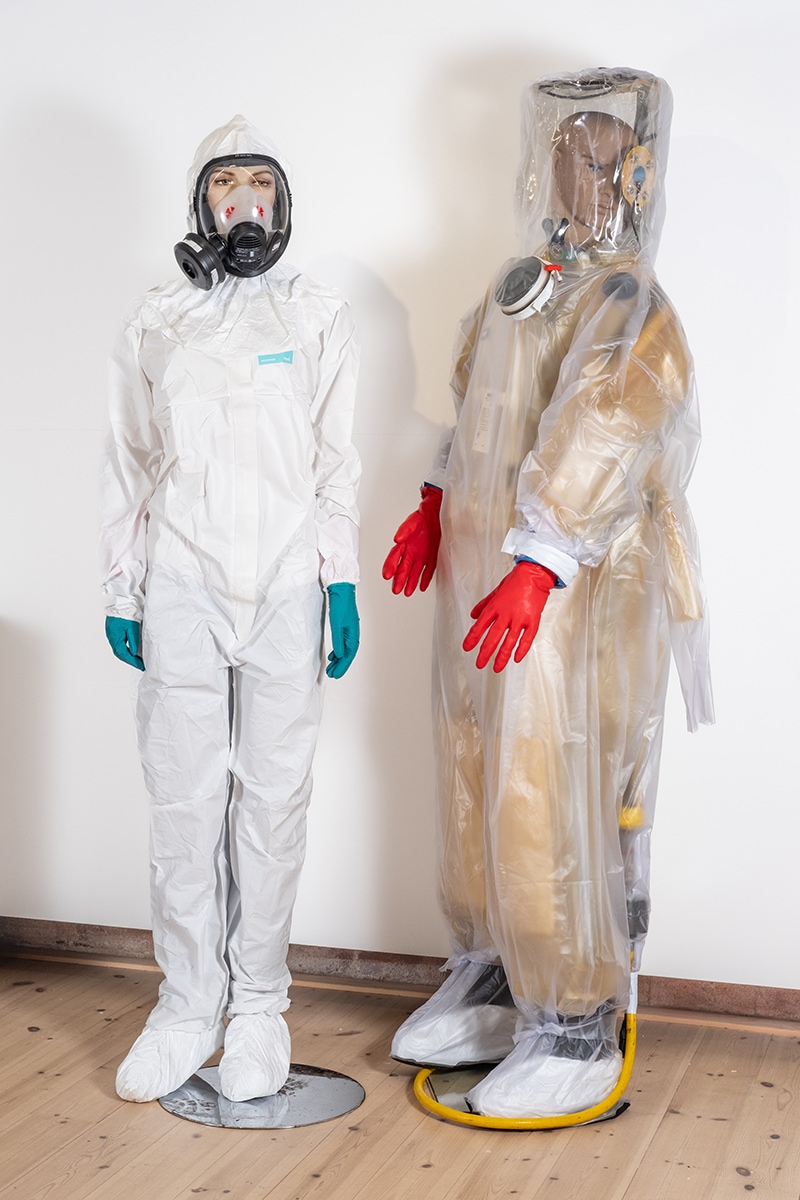
AWE Nuclear Security Technologies manages the UK’s nuclear deterrent. To make way for new facilities on AWE sites, we need to remove old facilities. Nuclear decommissioning involves safely dismantling and disposing of contaminated equipment. To do this, workers could potentially be exposed to radiation and contamination and so Personal and Respiratory Protective Equipment (PPE/RPE) is worn.
Training for Success
We’ve all had to go through training of some sort, whether its health and safety or manual handling. In the energy and nuclear industries, training is essential to ensure workforce competence and safety. Digital simulation training programmes are often used, developed by companies like Modux, and a human factors approach is taken so that employees correctly retain information ready for the workplace.