Inclusive Design
Understanding and measuring the human body helps us design things which better fit humans and their physical movement. But human factors can go even further, by understanding how people have different cognitive and sensory abilities that affect how we interact with the world.
Previously, design often took a one-size-fits-all approach, catering for the ‘average’ person, or around 80% of the population. However, this is now outdated, and human factors encourages a wider understanding of difference. It recognises that capabilities are not binary: it is not about who is able-bodied and who isn’t, or who can see and who can’t.
Now, we think inclusively, and recognise that people have a wide range of abilities, often complex and multi-dimensional. To understand these differences, human factors professionals often map out elements of inclusive design, create tools to experience these different abilities, and work to make products and environments that truly cater for as wide a proportion of the population as possible.
Considerations for inclusive design
When we think about making a product inclusive for a variety of different people, there are so many things to consider.

Skin Deep
Dermatitis is a condition which causes the irritation and swelling of the skin, often producing a rash or cracks. The gloves show mild, moderate, and severe levels of dermatitis and are used in occupational health training within the construction industry to raise awareness of safety around chemicals and other substances.

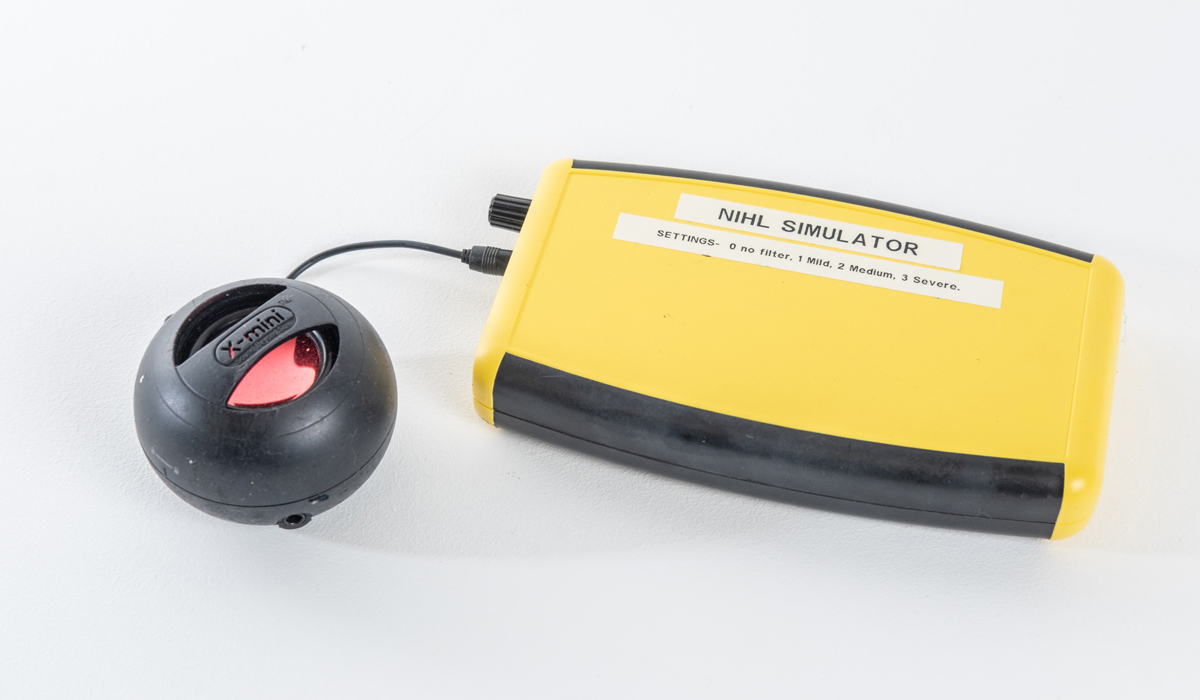
Listen Up
In many workplaces, safety procedures can feel unnecessary and annoying to workers, and sometimes this means people do not follow them properly. In the construction industry however, safety training includes the use of hearing loss demonstrators, which provide young apprentices a glimpse into their future if hearing protection is not worn properly.
Stiff Joints
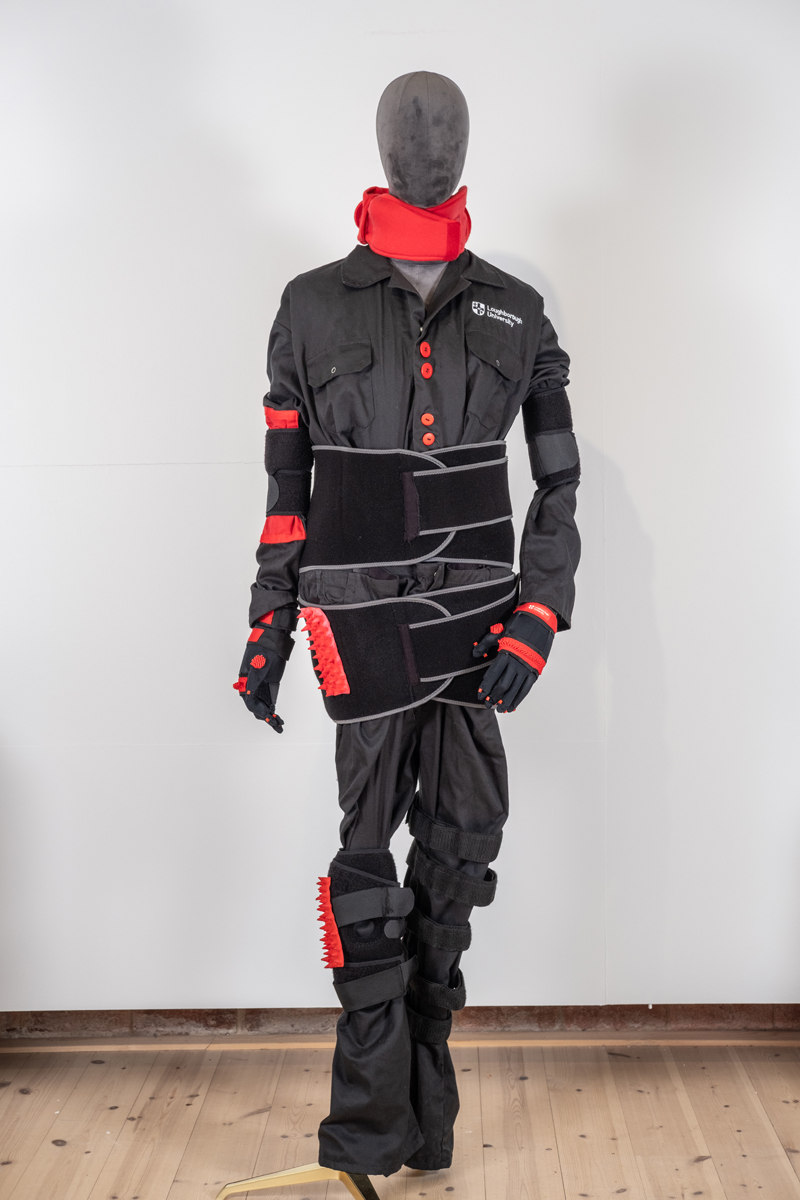
Osteoarthritis is a condition which causes joint pain and stiffness and affects over 500 million people worldwide. This suit, which simulates the condition, was commissioned by NAPP Pharmaceuticals to encourage empathy with sufferers. It was sold to Stannah Stairlifts to support design and sales teams to understand customer needs better.
Seeing is Believing
We often think of visual impairment as something binary: you either have vision, or you don’t. But it is a spectrum, ranging from an inability to focus properly or see detail, to people with colour blindness or blind spots in their vision.

Behind the wheel
In response to the ageing population, in 1994 Ford Motor Company commissioned the Third Age simulation suit. The Third Age referred to those aged over 55 years, and the suit enabled Ford’s young designers to experience directly how it feels to be an older driver.

Sitting and Standing
If you have limited mobility, you may find standing up from sitting in a regular chair difficult. By measuring comfortable seat heights, human factors can help those with limited movement, by designing adjustable seat heights or even hoists to help people stand.
